 Spanish
  German
  Japanese
JUXIN FASTENERS
U.S.A JUXIN INT'L ENTERPRISE DEV.
Semiconductor Equipment
Semiconductor Industry Fastener Solutions
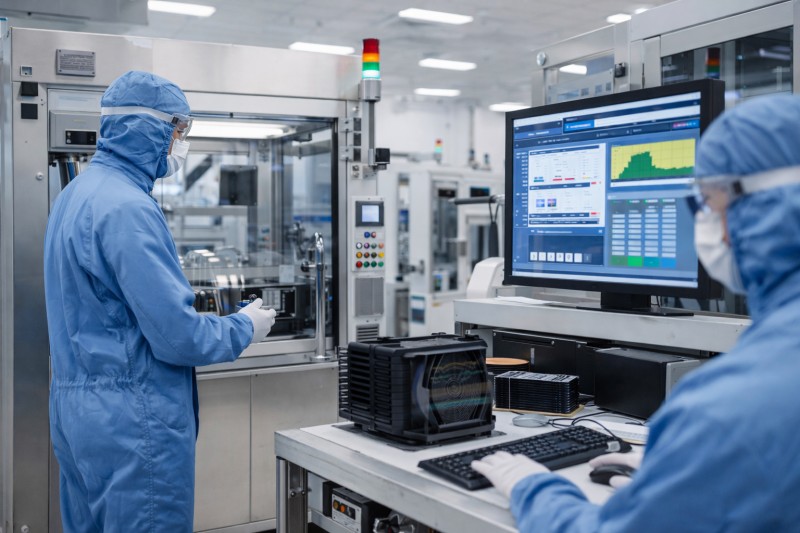
In the semiconductor industry, performance is defined by precision, stability, and long-term reliability. While fasteners may appear small and secondary, they play a critical structural and functional role in semiconductor manufacturing equipment and electronic assemblies.
From integrated circuits to optoelectronic devices and advanced sensors, specialized fastener solutions are essential to ensure accuracy, repeatability, and durability throughout the product lifecycle.
The Role of Fasteners in Semiconductor Manufacturing Equipment
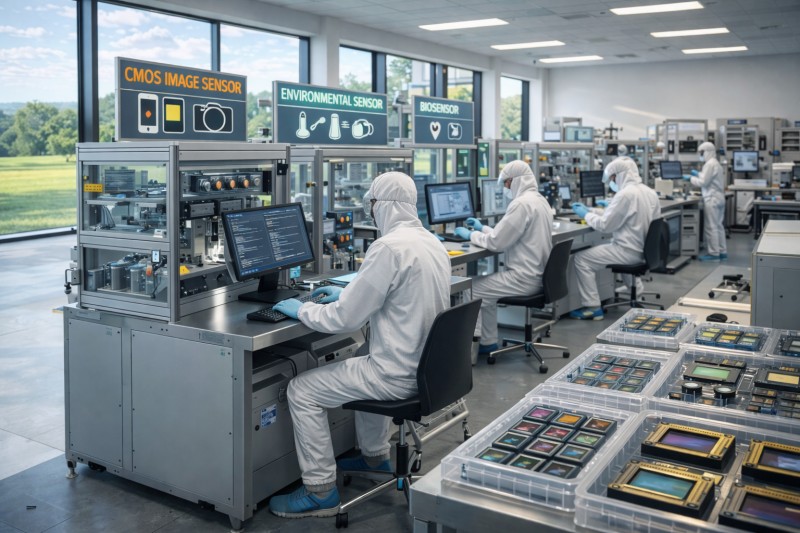
In semiconductor manufacturing equipment, fasteners must meet extremely stringent requirements. Assembly errors as small as microns can cause performance deviations, yield loss, or system failure.Key challenges include:
Ultra-high assembly precision
Thermal expansion control
Vibration and stress resistance
Cleanroom compatibility
Long-term dimensional stability
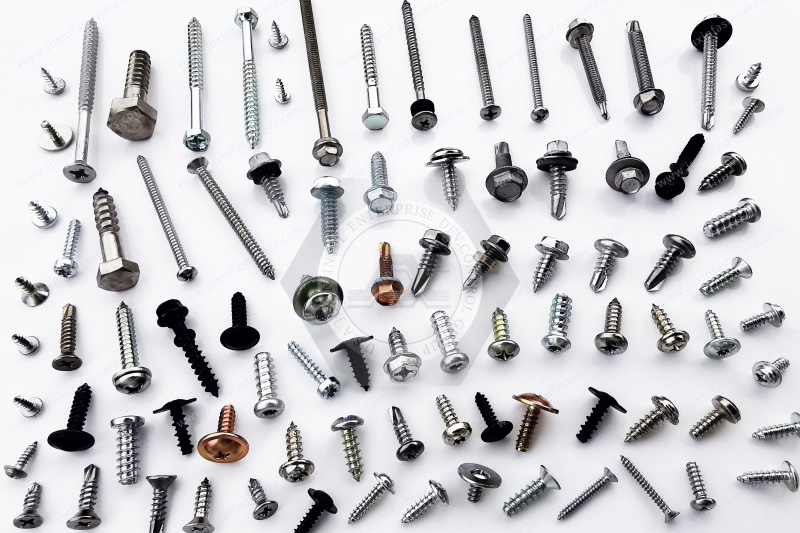
As a result, fine-thread screws, precision nuts, and low-thermal-expansion alloy fasteners are widely used in lithography systems, inspection tools, wafer handling equipment, and testing systems. These fasteners provide low-stress, deformation-free connections, preventing performance drift caused by mechanical or thermal stress.

1. Integrated Circuits (IC) – Precision Assembly at the Core
Integrated Circuits (ICs) integrate transistors, resistors, capacitors, and other components onto a single semiconductor chip to perform specific electronic functions.
Fastener Application Requirements
In IC manufacturing and packaging equipment, fasteners must ensure:
High positional accuracy during assembly
Minimal mechanical stress on sensitive substrates
Resistance to thermal cycling
Compatibility with automated assembly systems
Common fastener solutions include:
Fine-pitch precision screws
Stainless steel or alloy steel fasteners with controlled torque
Low-outgassing materials suitable for cleanroom environments
These fasteners are widely used in chip packaging machines, bonding equipment, and test handlers, ensuring repeatable, stable IC production.
2. Discrete Semiconductor Devices – Reliability at the Component Level
Discrete devices are individual semiconductor components such as diodes, transistors, MOSFETs, and power devices.
Fastener Solution Highlights
For discrete semiconductor manufacturing and module assembly, fasteners must provide:
High mechanical strength
Excellent electrical insulation or conductivity control
Thermal stability under power cycling
Typical applications include:
Power semiconductor modules
Heat sink mounting systems
Industrial and automotive electronics
Fasteners used in this segment often feature precise thread geometry and controlled preload, ensuring reliable contact without damaging delicate components.
3. Optoelectronic Devices – Stability for Light-Based Performance
Optoelectronic devices operate based on photoelectric effects, converting light into electrical signals or vice versa.
Common Types & Fastener Requirements
Photodiodes – Optical Signal Detection
Require vibration-resistant fasteners to maintain optical alignment.
Optocouplers – Signal Isolation
Demand electrically stable fastening solutions to prevent signal interference.
Laser Diodes – Optical Communication & Laser Printing
Require ultra-stable, low-deformation fasteners to maintain beam accuracy and thermal balance.
In optoelectronic assemblies, fasteners are critical for:
Maintaining optical path alignment
Managing heat dissipation
Preventing micro-movement over long-term operation
4. Sensors – Structural Accuracy Enables Measurement Accuracy
Sensors convert physical quantities such as temperature, pressure, or motion into electrical signals.
Typical Sensor Types & Fastener Roles
Temperature Sensors
Used in environmental monitoring and semiconductor process control
→ Fasteners must withstand continuous thermal variation.
Pressure Sensors
Used in industrial control and vacuum systems
→ Require high sealing performance and mechanical stability.
Accelerometers
Used in motion detection and positioning systems
→ Demand anti-loosening fasteners with excellent vibration resistance.
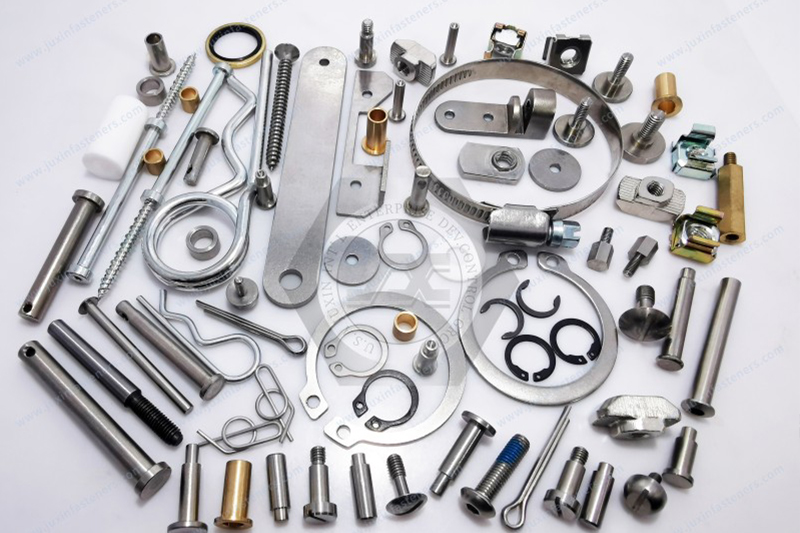
Precision fasteners ensure that sensors remain accurately positioned, allowing consistent signal output and reliable data acquisition.
Why Precision Fasteners Matter in the Semiconductor Industry
Across ICs, discrete devices, optoelectronics, and sensors, semiconductor systems demand fasteners that deliver:
Micron-level assembly accuracy
Low thermal expansion
Consistent clamping force
Long-term reliability
Compliance with cleanroom standards
By selecting the right fastener materials, thread designs, and surface treatments, manufacturers can significantly improve equipment uptime, yield stability, and overall system performance.
In the semiconductor industry, fasteners are not just mechanical connectors — they are precision-enabling components. From high-end lithography equipment to advanced sensor assemblies, the right fastener solution directly impacts accuracy, reliability, and production efficiency. For semiconductor manufacturers and equipment integrators serving the global market, partnering with an experienced fastener supplier ensures that every connection supports the demanding standards of modern semiconductor technology.
Contact Us
+86 0208621 0320
+86 020 3121 6067
Mobile phone:
+86 136 6007 9809
Email:
Technical Support:
No. 3, Huonan Zhuang,Shuangnan Industrial Zone,Longgui Street,Baiyun District, Guangzhou, Guangdong Province, China
Navigation
Navigation
Need a Quote?
Need a Quote?
Looking for standard or custom fasteners? Our engineering and sales team provides fast, professional quotations.
✓ OEM & Custom Manufacturing
✓ Engineering Support✓ Fast Response
✓ Global Delivery
✓ Request a Quote
Contact email: info@jxfastenings.com