 Spanish
  German
  Japanese
JUXIN FASTENERS
U.S.A JUXIN INT'L ENTERPRISE DEV.
HVAC Sheet Metal & Leisure
Introduction
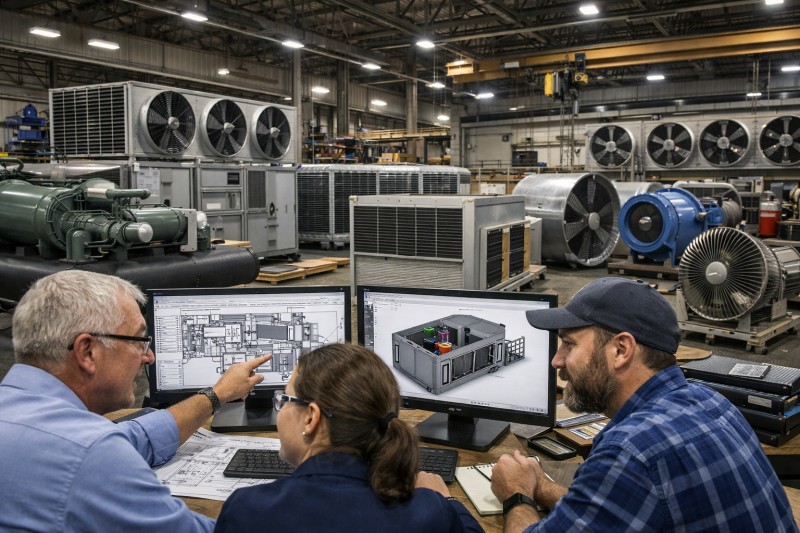
To improve manufacturing efficiency, reduce costs, and enhance product performance in thin sheet metal fabrication, Juxin Fasteners supplies reliable fastening solutions for both heating and cooling HVAC applications. Our products are designed for challenging installations, including close-to-edge assemblies, concealed-head requirements, and mixed-material structures commonly found in modern air-conditioning systems.
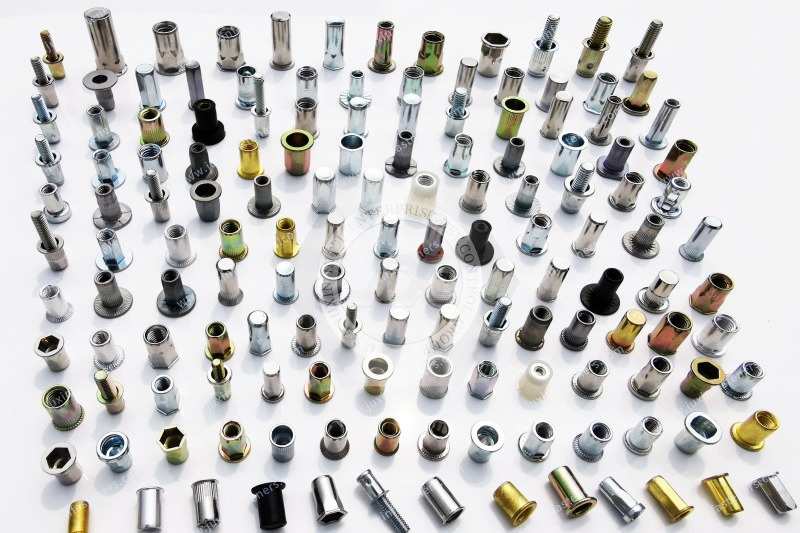
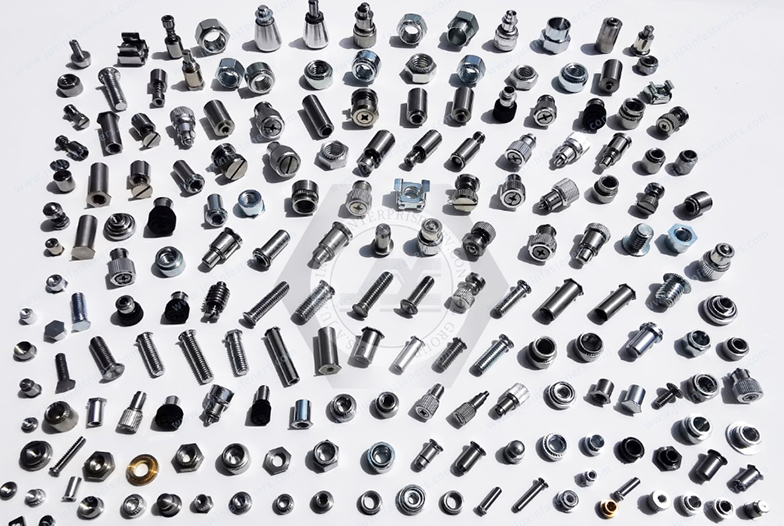
Juxin Fasteners supports air conditioning units, chillers, air handlers, condensers, evaporators, axial and centrifugal fans, offering fasteners compliant with DIN, ISO, ANSI, JIS, BS, and GB standards. Our solutions—including threaded inserts for plastics, blind rivets, self-locking fasteners, weld studs and nuts, and thin-sheet-metal fasteners—ensure structural stability, vibration resistance, and long-term performance in residential and commercial HVAC systems.
HVAC & Sheet Metal Fastener Solutions
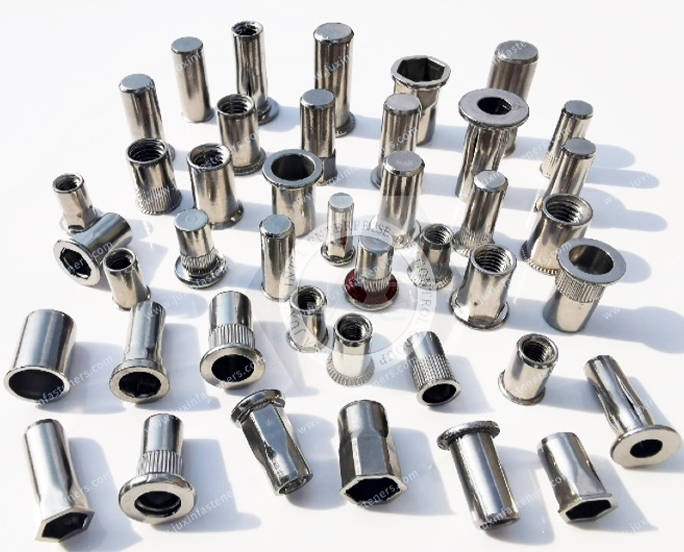
Rivet Nuts, Press-Fit Nuts and Rivets for Energy-Efficient HVAC Systems
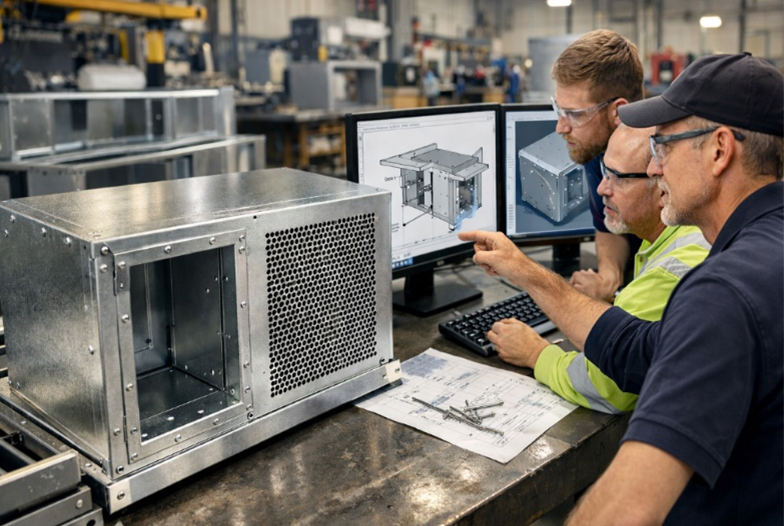
In HVAC and sheet metal fabrication, fastener selection plays a critical role in system sealing, energy efficiency, structural stability, and lifecycle cost control. Rivet nuts, press-fit nuts, blind rivets, and solid rivets are widely used to improve assembly reliability while simplifying manufacturing processes.
Juxin Fasteners provides engineered HVAC sheet metal fastening solutions designed to meet the demanding requirements of indoor and outdoor HVAC equipment.
Core Requirements for HVAC Fasteners
Effective sealing prevents air and refrigerant leakage, directly improving system energy efficiency. Rivet nuts combined with sealing compounds or closed-end designs help ensure leak-free threaded connections, reducing maintenance and operating costs.
HVAC equipment is often exposed to humidity, temperature variation, and chemical environments. Stainless steel and coated fasteners provide long-term corrosion protection, extending service life and reducing failure rates in applications such as data centers and commercial buildings.
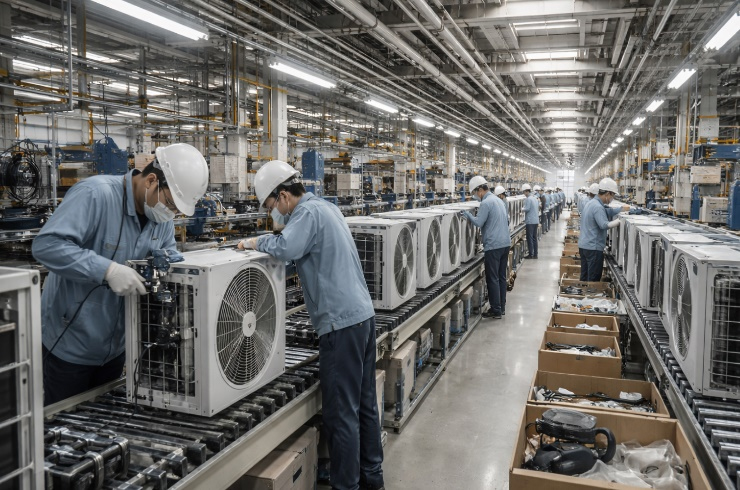
Press-fit nuts and blind rivets support fast, repeatable installation in sheet metal assemblies. Compared with welding, press-in fastening significantly shortens production cycles and improves consistency.
Rivet Nuts vs. Press-Fit Nuts in HVAC Applications
Single-sided installation for enclosed or hollow sheet metal sections
High pull-out strength through mechanical interlock
Excellent sealing capability for HVAC housings and panels
Fast installation using simple pressing operations
Cost-effective for high-volume production
Suitable for galvanized or stainless steel sheet metal
Outdoor HVAC units: stainless steel rivet nuts for sealing and corrosion resistance
High-volume production: press-fit nuts for efficiency and cost control
Blind Rivets and Solid Rivets for Sheet Metal Assembly
Ideal for lightweight HVAC components with limited rear access. They reduce part weight, simplify assembly, and support efficient panel fastening.
Used where higher load capacity and vibration resistance are required, such as structural HVAC frames and heavy-duty equipment housings.
Benefits for HVAC Manufacturers
Improved system sealing and energy efficiency
Reduced assembly time and labor costs
Enhanced corrosion resistance and durability
Simplified sheet metal design and BOM management
The right combination of rivet nuts, press-fit nuts, and rivets is essential for optimizing HVAC system performance, sealing reliability, and manufacturing efficiency. With proven fastening solutions for sheet-metal HVAC applications, Juxin
Fasteners supports customers from design optimization through mass production, helping reduce the total cost of ownership while improving system reliability.
HVAC Industry Solution
Energy-Efficient Enclosure & Access Solutions for Modern Air Conditioning Systems
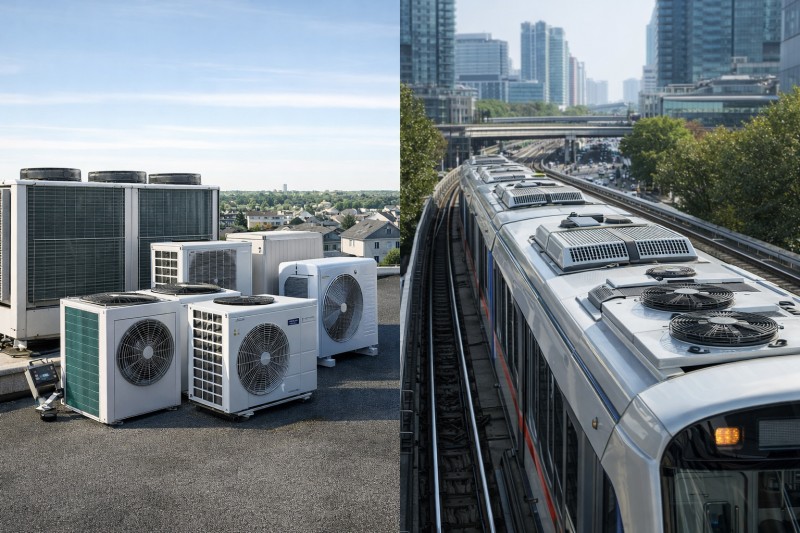
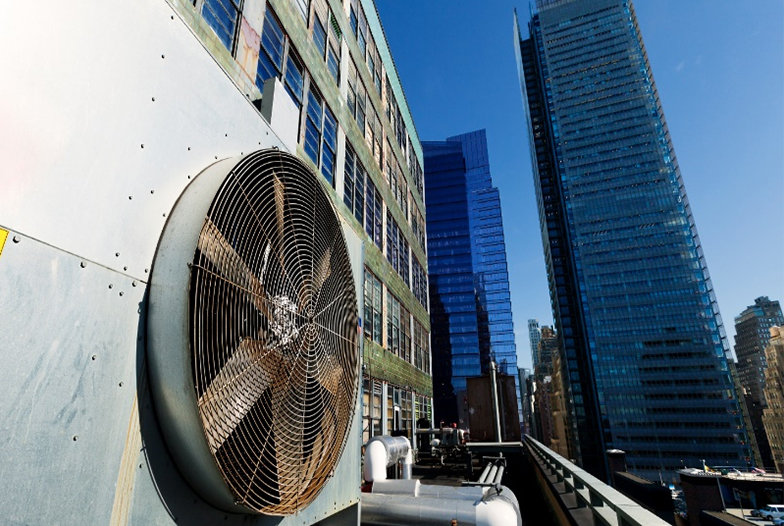
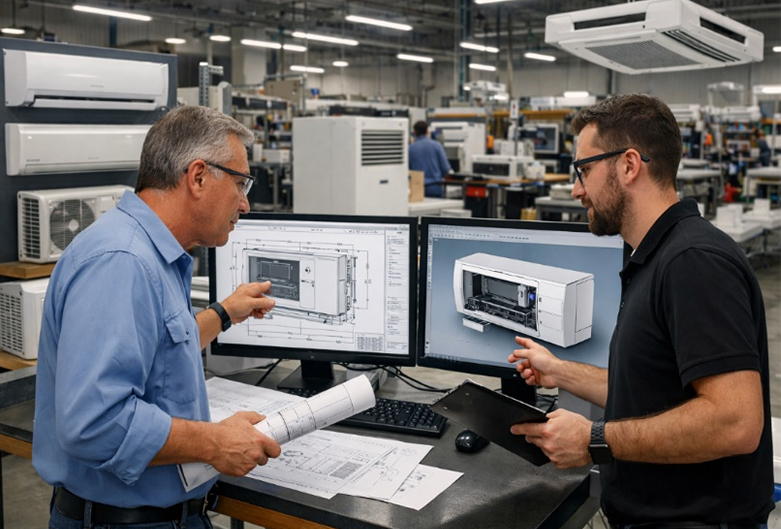
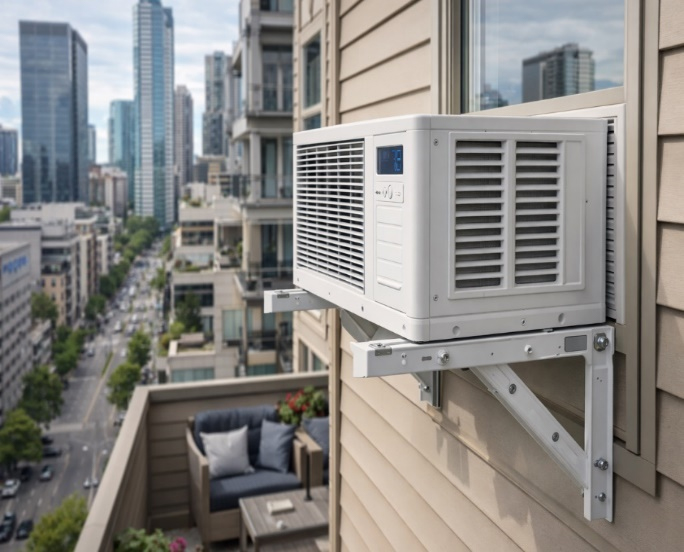
Heating, residential, commercial, and transportation applications. Common product types include wall-mounted air conditioners, vertical cabinet units, window air conditioners, ceiling-mounted systems, and integrated home HVAC solutions. In addition, HVAC technologies are widely used in automotive air conditioning systems, providing both cooling and heating.
As global construction projects continue to expand, building owners, developers, and tenants increasingly demand cost-effective, energy-efficient, and user-friendly HVAC equipment that can deliver consistent indoor comfort across changing seasons.
Market Trends and Design Challenges
The HVAC market is highly competitive, especially in Europe and North America, where regulations and customer expectations emphasize:
Energy efficiency and reduced operating costs
Improved thermal insulation and airtight enclosure design
Ergonomic access for installation and maintenance
Long service life and reliable operation
To meet these requirements, HVAC equipment manufacturers have significantly upgraded enclosure designs. Modern
HVAC cabinets and housings now often feature thicker insulated doors and panels to minimize heat transfer and improve system efficiency. While this enhances thermal performance, it also introduces new challenges for enclosure access and structural integrity.
Advanced Enclosure Access & Structural Solutions
Thicker insulated doors increase weight and depth, placing higher demands on fastening, hinging, and latching systems. To address these challenges, HVAC manufacturers are adopting engineered solutions that ensure both performance and usability:
Support the secure assembly of insulated panels without deforming sheet metal structures.
Enable smooth opening and closing of heavy HVAC doors while maintaining airtight seals.
Please make sure long-term stability in systems exposed to continuous fan and compressor operation.
Improves serviceability, reducing maintenance time and lifecycle costs.
Benefits for HVAC Manufacturers and End Users
By optimizing enclosure and access solutions, HVAC OEMs can achieve:
Enhanced energy efficiency and reduced thermal loss
Improved user experience during installation and maintenance
Compliance with EU and North American building and energy standards
Increased product value and market competitiveness
As HVAC systems evolve toward higher energy efficiency and more intelligent control technologies, enclosure design and access solutions play a critical role in overall system performance. Reliable fastening, hinging, and latching technologies help manufacturers deliver durable, efficient, and customer-focused HVAC equipment for global markets.
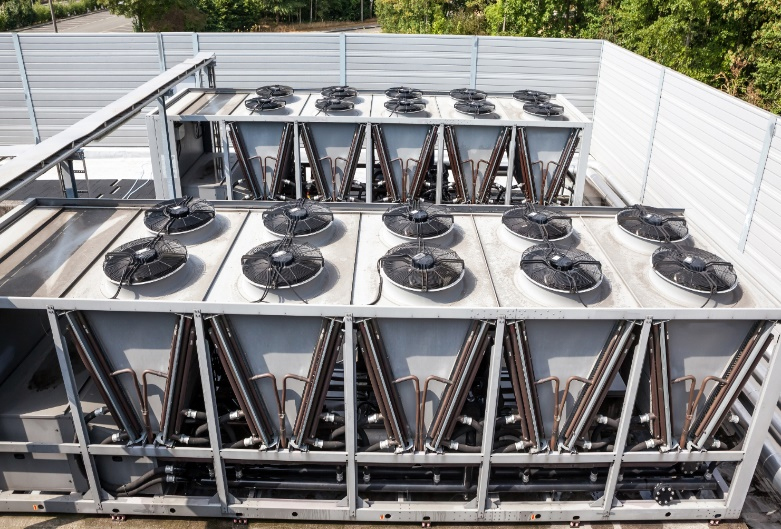
Automotive Air Conditioning (HVAC) Industry Solution
Engineered Fastening Solutions for Automotive Climate Control Systems
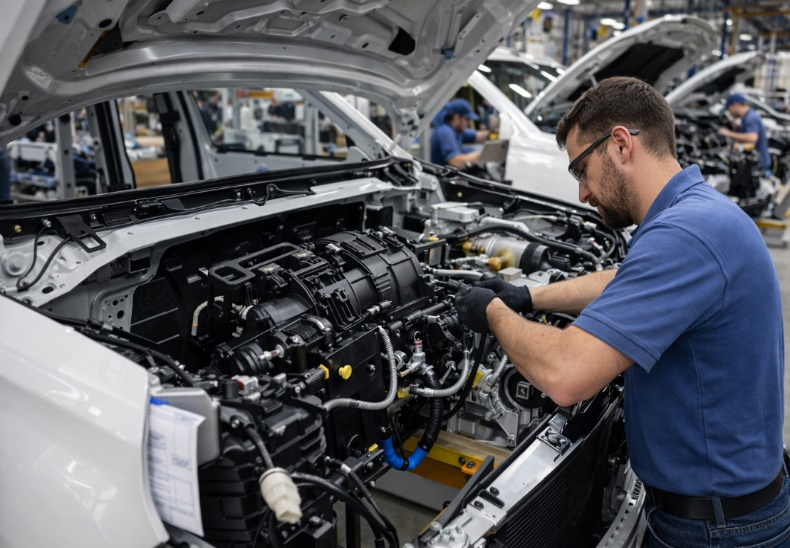
Automotive air conditioning systems are critical components in modern vehicles, providing thermal comfort, defogging, and air quality control under all driving conditions. As vehicle platforms evolve toward lighter structures, higher integration, and stricter NVH requirements, automotive HVAC manufacturers demand high-strength, vibration-resistant, and space-efficient fastening solutions.
Structural Challenges in Automotive HVAC Systems
Automotive HVAC modules—including compressors, evaporators, condensers, blower housings, and air ducts—are typically installed within confined engine bays or instrument panels. These assemblies face:
Continuous vibration and thermal cycling
Limited installation space and thin sheet metal structures
Frequent assembly and disassembly during service
Strict automotive quality and safety standards
Reliable fastening plays a key role in ensuring structural integrity, precise positioning, and long-term durability.
Recommended Fastening Solutions
Rivet Nuts (Blind Rivet Nuts)
Rivet nuts are widely used in automotive HVAC housings and brackets to provide strong internal threads in thin metal or aluminum panels. They enable single-side installation, improve assembly efficiency, and support repeated servicing without thread damage.
Flange Bolts
Flange bolts provide an integrated bearing surface that distributes load evenly across HVAC mounting points. This reduces surface damage, enhances vibration resistance, and eliminates the need for additional washers—ideal for compressor mounts, brackets, and structural connections.
Cage Nuts
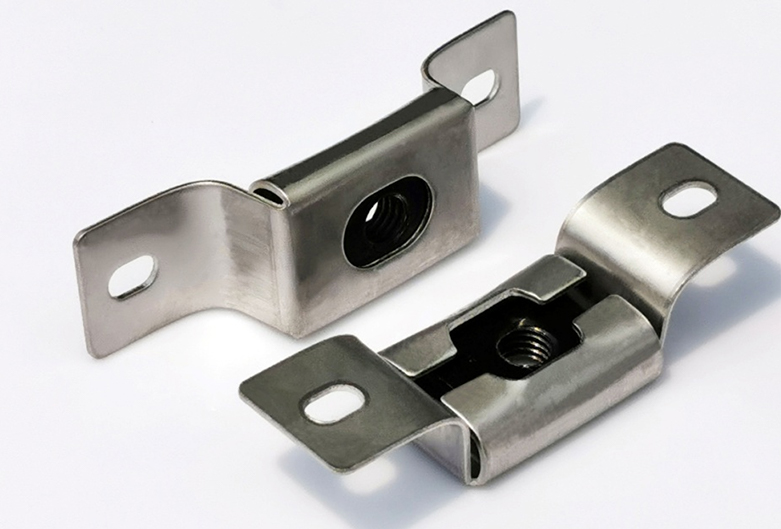
Cage nuts are commonly applied in sheet metal frames and HVAC module supports where alignment tolerance is required. Their floating design allows quick installation and compensates for dimensional variation, improving assembly speed on automotive production lines.
Cap Nuts
Cap nuts protect exposed threads while enhancing safety and corrosion resistance. In automotive HVAC systems, they are often used in passenger-facing or service-access areas to improve appearance and prevent injury.
Benefits for Automotive HVAC Manufacturers
By integrating optimized fastening solutions, manufacturers can achieve:
Improved vibration resistance and NVH performance
Faster assembly and reduced production downtime
Enhanced durability under thermal and mechanical stress
Compliance with OEM and automotive industry standards
In automotive air conditioning systems, fastening solutions are essential to system reliability and performance. Engineered components such as rivet nuts, flange bolts, cage nuts, and cap nuts support lightweight design, efficient assembly, and long-term stability, helping automotive HVAC suppliers meet the demanding requirements of global vehicle manufacturers.
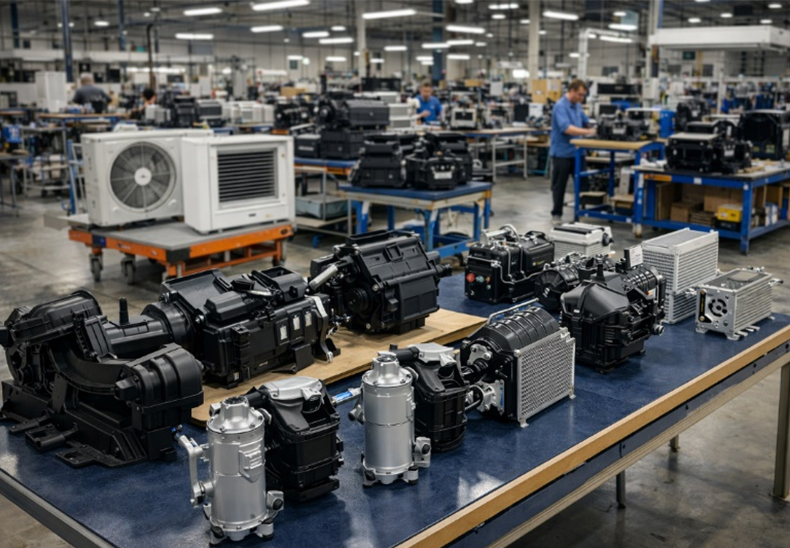
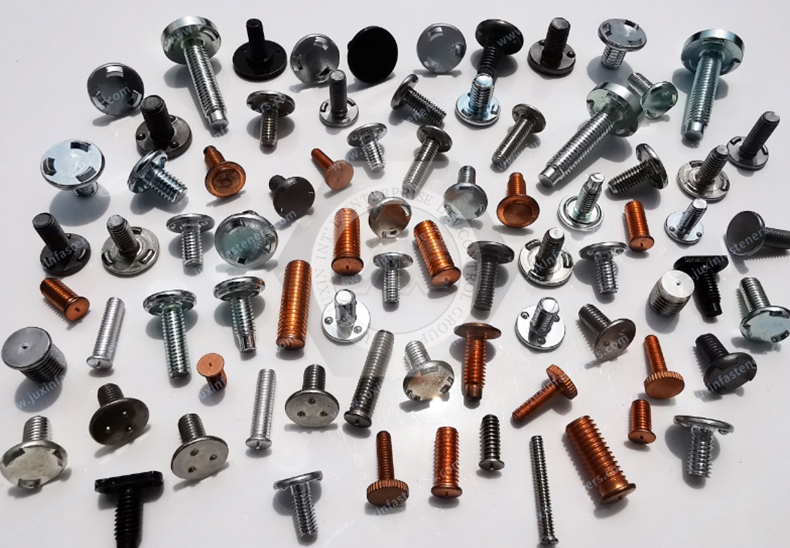
Heating, Ventilating & Air Conditioning (HVAC) Industry Solution
Reliable Fastening Solutions for High-Performance HVAC Systems
Heating, Ventilating, and Air Conditioning (HVAC) systems are essential for maintaining indoor comfort, energy efficiency, and air quality in residential, commercial, and industrial buildings. In the European and North American markets, HVAC equipment must comply with strict requirements for structural integrity, vibration resistance, corrosion protection, and long-term reliability.
Key Challenges in HVAC Equipment Manufacturing
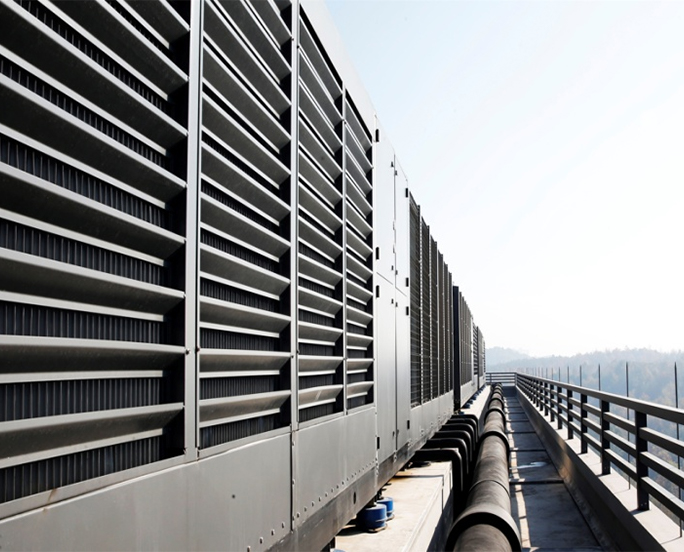
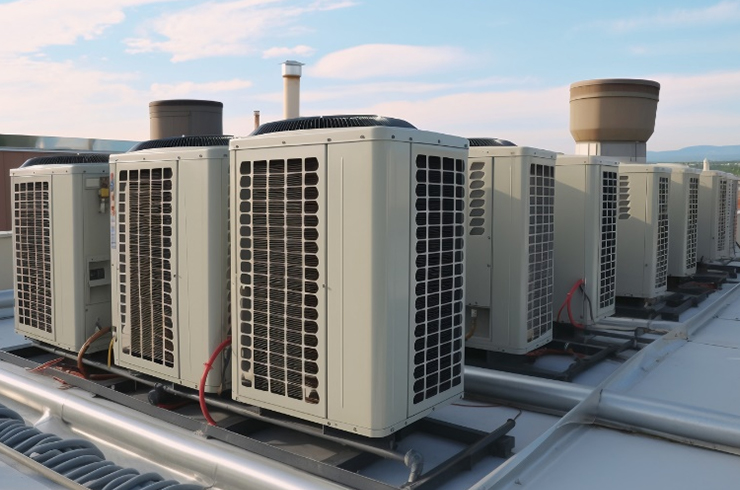
HVAC units such as air handlers, heat pumps, chillers, and ventilation modules operate in demanding environments, including:
Continuous vibration from compressors and fans
Wide temperature fluctuations
High humidity and potential condensate exposure
Thin-gauge metal housings and modular assemblies
These conditions require fastening solutions that ensure secure connections, stable positioning, and easy maintenance, without compromising system efficiency or service life.
Recommended Fastening & Assembly Solutions
To address these challenges, engineered fastening solutions are widely used across HVAC manufacturing:
Provide strong, reusable threads in thin sheet metal without rear-side access, ideal for HVAC panels and frames.
Effectively resist loosening caused by vibration to ensure long-term operational stability.
Offer excellent corrosion resistance for humid or outdoor installations, meeting HVAC durability standards.
Enable reliable assembly of plastic housings, insulation components, and control modules.
Benefits for HVAC OEMs and System Integrators
By selecting high-quality fastening solutions, HVAC manufacturers can achieve:
Enhanced structural stability and reduced noise and vibration
Faster installation and simplified maintenance
Compliance with EU and US building and appliance standards
Improved product lifespan and total cost of ownership
In HVAC systems, reliable fastening plays a critical role in overall performance and durability. Optimized fastening solutions support efficient assembly, long-term stability, and regulatory compliance, helping HVAC manufacturers deliver high-quality systems to global markets.
open-end rivets can be used as part of an automatic riveting system to increase installation efficiency, lower material inventory costs, and provide rattle and vibration resistance. Fastener Sizes: #6 - 5/16" (M3.5 - M8); smaller sizes available upon request, Head Styles: Hex washer or round washer, Thread Styles: Can be used with any thread style, including self-tapping threads, Drive System: Can use any drive system, including Drive Point Styles: Can be used with any point style, including self-drilling points screws, Material: Carbon or stainless steel, Finish: As specified
Engineering HVAC Energy Efficiency Solutions
System Design & Building Optimization
Modern HVAC systems combine advanced digital controls, precise air-handling, and high-performance heat-transfer technologies to enhance energy efficiency. Despite these innovations, HVAC systems remain significant energy consumers. Optimizing building design and HVAC system configuration is essential to maximize energy savings.
Insulation & Shading: Double-glazed windows, shading panels, or rooftop gardens reduce heat gain through roofs, walls, and windows, lowering cooling and heating loads. Shading devices, for example, reduce solar radiation in summer, easing air conditioning demand.
Air Tightness: External insulation, airtight doors and windows, and sealing strips minimize air leakage, improving overall HVAC efficiency.
System Configuration: Select full-air, full-water, or air-water systems based on building requirements. Large public buildings benefit from centralized full-air systems, while decentralized zones can use flexible air-water systems.
Natural Ventilation: Use natural or mechanically assisted ventilation during transitional seasons to reduce HVAC runtime and energy consumption.
Chillers & Pumps: Upgrade constant-flow systems to variable-flow with VFD-controlled pumps to avoid energy waste. Optimize the pump head and select high-efficiency chillers to ensure operation in the high-COP range. Cooling Towers & Fans: Apply VFD technology to cooling tower fans for dynamic airflow control and upgrade fan coil impellers to improve airflow and reduce energy consumption.
High-quality fasteners are crucial for minimizing energy loss in HVAC enclosures. Using T-Bolts, stainless steel flange nuts, rivet nuts, cage nuts, cap nuts, and secure hangers ensures tight panel connections and prevents air leakage. These components:
Maintain structural integrity and thermal insulation.
Could you simplify the installation and maintenance of access panels?
Enhance the safety and reliability of HVAC systems.
By integrating building envelope optimization, system design, equipment upgrades, and specialized industrial fasteners, engineers can achieve superior energy efficiency, reduce operational costs, and support global sustainability standards.
Contact Us
+86 0208621 0320
+86 020 3121 6067
Mobile phone:
+86 136 6007 9809
Email:
Technical Support:
No. 3, Huonan Zhuang,Shuangnan Industrial Zone,Longgui Street,Baiyun District, Guangzhou, Guangdong Province, China
Navigation
Navigation
Need a Quote?
Need a Quote?
Looking for standard or custom fasteners? Our engineering and sales team provides fast, professional quotations.
✓ OEM & Custom Manufacturing
✓ Engineering Support✓ Fast Response
✓ Global Delivery
✓ Request a Quote
Contact email: info@jxfastenings.com